National Cancer Prevention Month: What You Should Know in Minot, ND
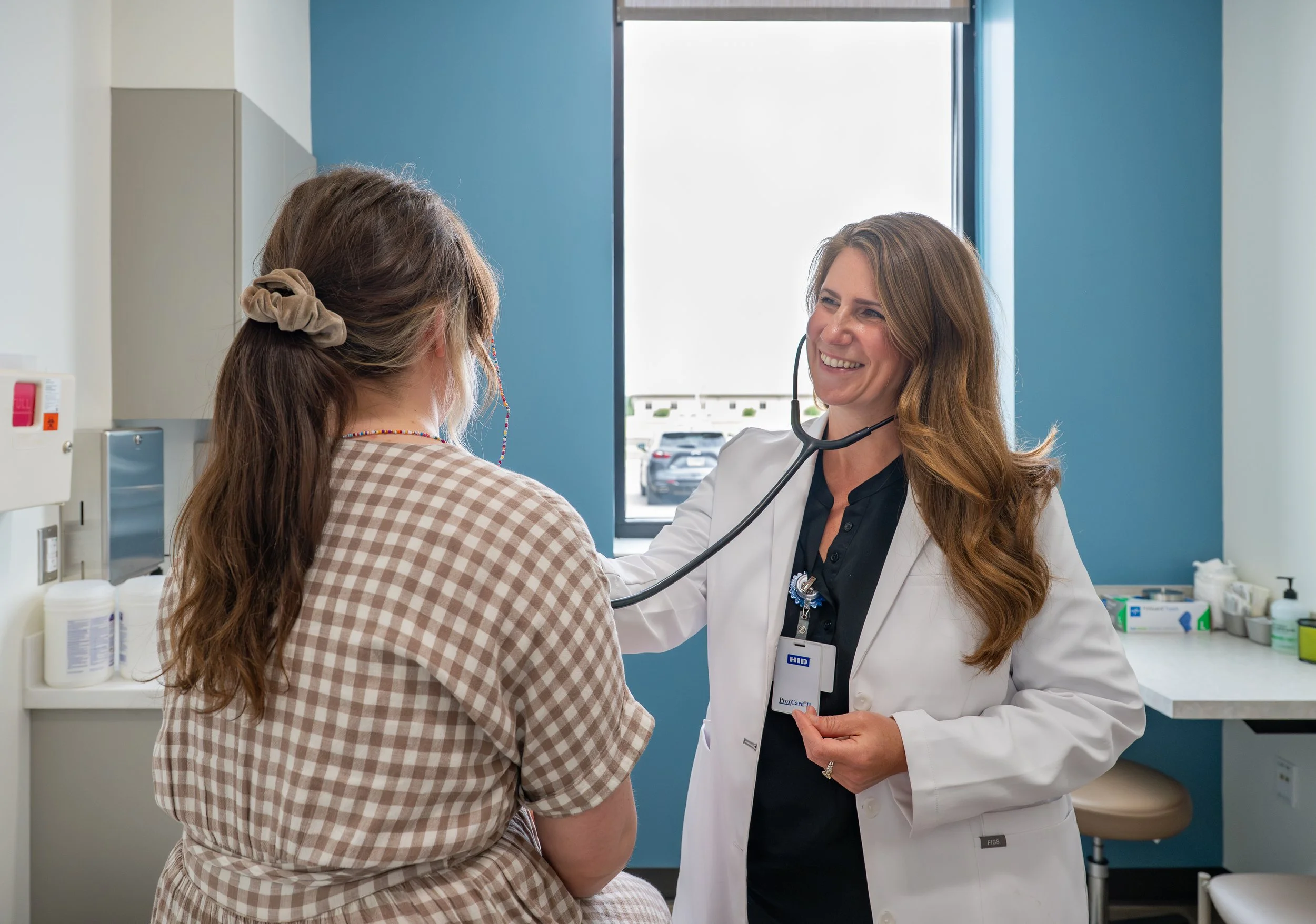
February is National Cancer Prevention Month, a time to raise awareness about cancer risk factors, prevention strategies, and the importance of early detection. Our team wants to share helpful information to support you and your family in reducing your cancer risk and improving health outcomes.
Cancer affects millions of people each year, and here in North Dakota, the impact is significant. Cancer is the second leading cause of death in the state, with an average of 11 North Dakotans diagnosed with cancer every day and four dying from the disease each day. Early detection and prevention efforts can make a real difference in these numbers.
Why Prevention and Early Detection Matter
Research shows that a significant proportion of cancer cases are preventable. Many cancers are linked to lifestyle factors such as tobacco use, physical inactivity, poor nutrition, and excess alcohol consumption. Adopting healthy behaviors can help lower risk.
Early detection is equally important. Routine cancer screening can identify cancer before symptoms begin, when treatment is most effective, and survival rates are higher. The Centers for Disease Control and Prevention (CDC) recommends regular screening for several common cancers, including breast, cervical, colorectal, and lung cancer.
In North Dakota, lung cancer remains a major challenge, but screening rates for high-risk individuals are above the national average, which can help reduce mortality.
5 Practical Steps to Reduce Your Cancer Risk
Here are evidence-based strategies that can help support cancer prevention and early detection:
1. Quit Tobacco and Limit Alcohol
Tobacco use is the single leading preventable cause of cancer. Quitting smoking and avoiding secondhand smoke greatly reduces your risk. Limiting alcohol intake also lowers the risk of several cancers.
2. Maintain a Healthy Lifestyle
Eating a balanced diet rich in fruits, vegetables, lean proteins, and whole grains supports overall health. Regular physical activity of at least 150 minutes of moderate exercise per week can reduce the risk of certain cancers.
3. Protect Your Skin from UV Exposure
Excessive ultraviolet radiation from the sun or tanning beds increases the risk of skin cancer. Use sunscreen with SPF 30 or higher, wear protective clothing, and avoid peak sun hours when possible.
4. Know Your Screening Guidelines
Talk with your healthcare provider about appropriate cancer screenings. Mammograms, colonoscopies, Pap tests, and lung cancer screening for high-risk individuals can catch abnormalities before they advance. Screening decisions should be personalized based on age, risk factors, and family history.
How Dakota Medical Can Help
We are here to support your health journey. As part of our specialty services, Dakota Medical provides colonoscopy procedures. It is a vital tool in the prevention and early detection of colorectal cancer. Colonoscopy allows for a thorough examination of the colon and rectum, helping identify abnormalities early and, in many cases, prevent cancer before it develops.
Understanding your risk and staying current with recommended screenings is a powerful step toward protecting your health. During National Cancer Prevention Month and throughout the year, take time to learn about appropriate screenings and encourage those you care about to do the same.
“We know that colonoscopy leads to the prevention of colon cancer, and that early detection of existing cancers increases survival. Colonoscopy is a simple way to improve the health and well-being of our community and region.”

Take the Next Step for Your Health
Don't wait to prioritize your health. A colonoscopy is vital in preventing colorectal cancer and ensuring your long-term well-being.